Tattoo
A bit of History
Tattooing is an art form and form of body modification where a pigment is inserted into a skin to change its color permanently. It is a very old tradition and today is more popular and socially acceptable than ever.
Τattooing has been practiced by humans for a very long time. These permanent designs—sometimes plain, sometimes elaborate, always personal—have served as amulets, status symbols, declarations of love, signs of religious beliefs, adornments and even forms of punishment.
Ancient Egypt and India used tattoos as methods of healing and as methods of religious worship. They were also marks of a status in a society but also a punishment. Tattoos in Philippines were marks of the rank and accomplishments and people there believed that they have magical properties.
When Christianity appeared, tattooing was considered a barbaric tradition and it slowly faded in Europe to return with transoceanic travels in 16th.
Getting Tattooed at DrPepper Studio
All artist at our studio are seasoned professionals who consistently create clean custom tattoos.
The artists specialise in :
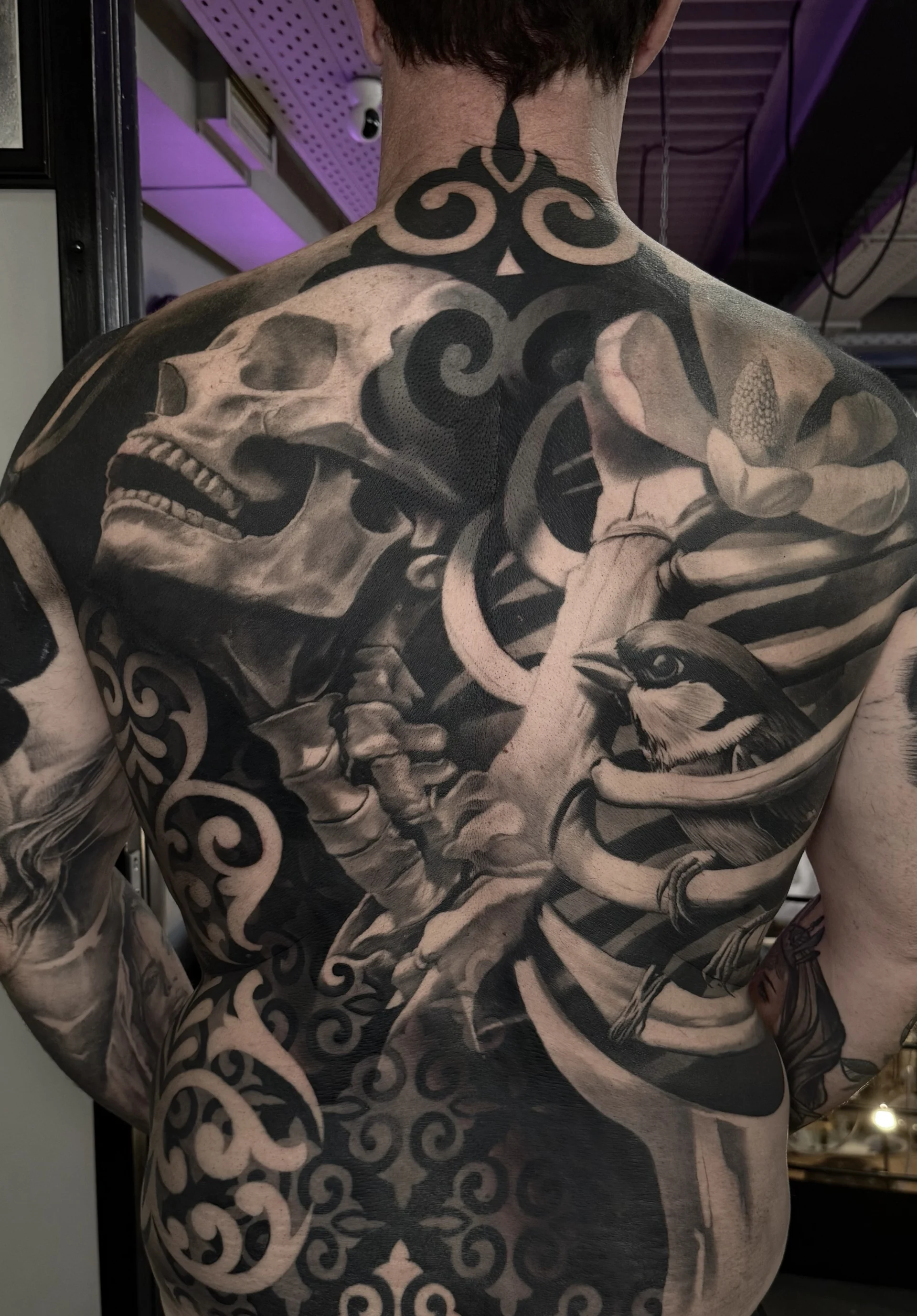
Realistic Black & Grey / Color
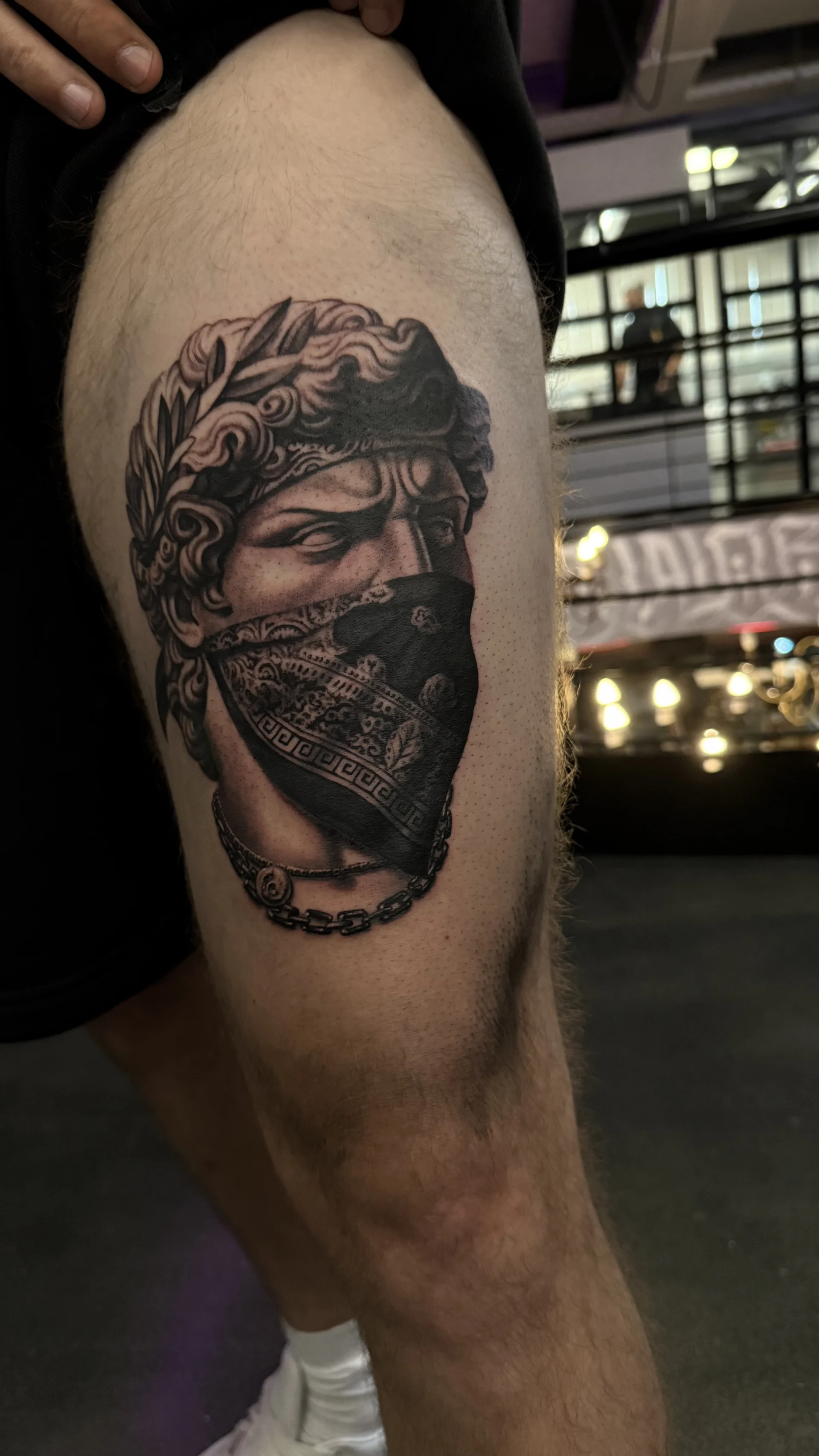
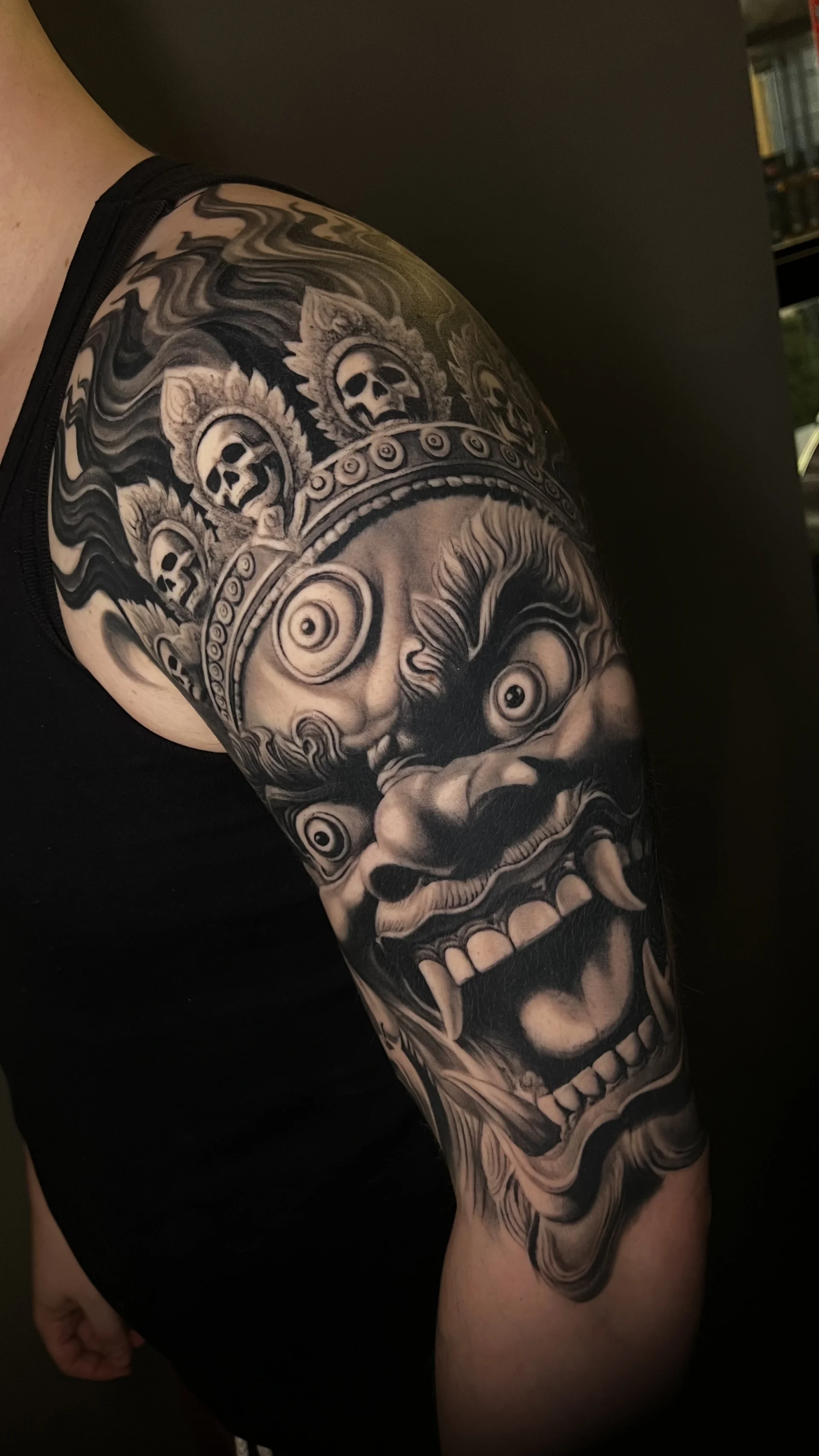
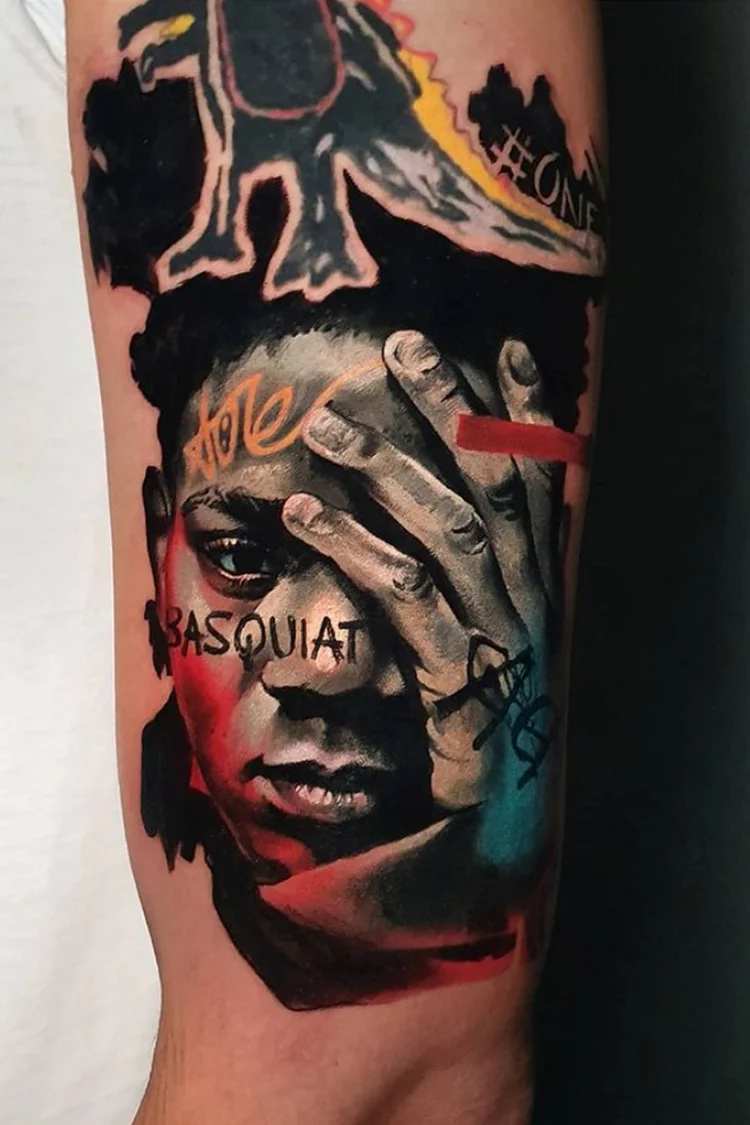
Realism in tattooing is a style that aims to depict images as faithfully as possible to reality. It became especially prominent in recent decades thanks to the evolution of tattoo techniques and machines, which allowed artists to create highly detailed works directly on the skin.
Realism tattoos rely heavily on shading, gradients, and the accurate rendering of light and volume. Through these techniques, the artist can create tattoos that appear almost photographic. Common subjects include portraits of people, animals, cinematic characters, as well as objects or scenes that hold personal meaning for the person choosing them.
There are two main directions within realism: black & grey realism, which uses shades of black and grey to create a dramatic atmosphere and depth, and color realism, where colors are used in such a way that the image appears as vivid and lifelike as possible.
Realism requires a high level of technical skill, patience, and artistic perception. When executed correctly, the result is a tattoo that resembles a painting or photograph rather than a traditional design on the skin.
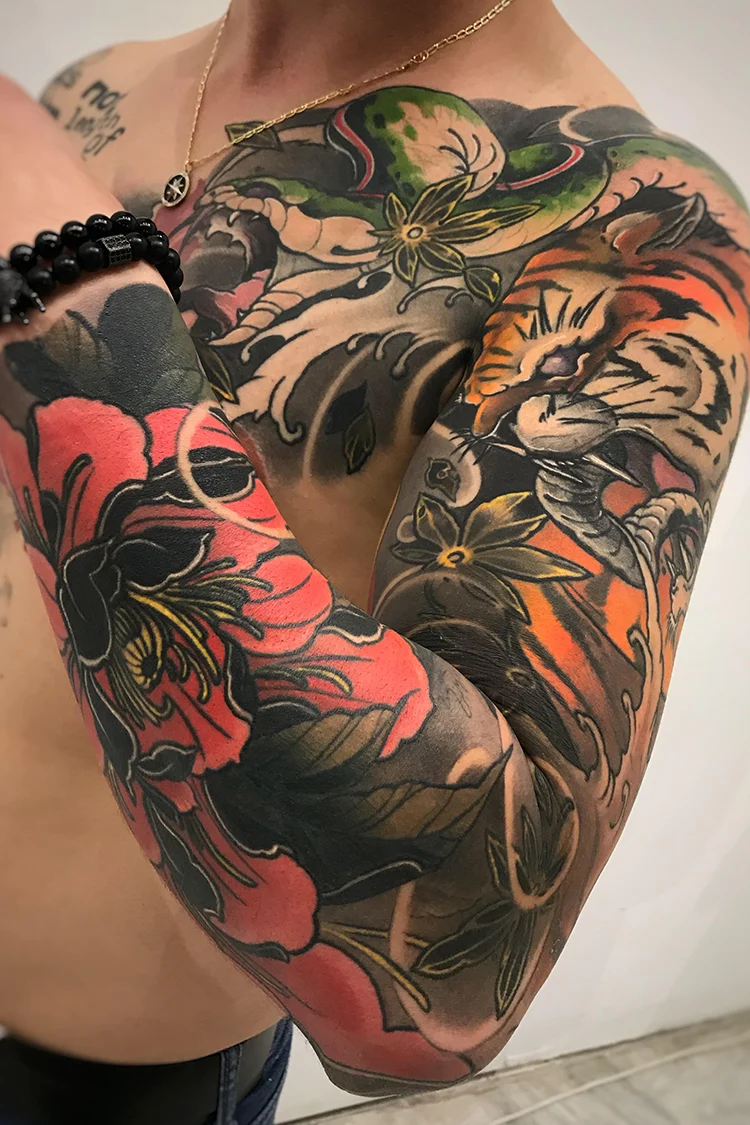
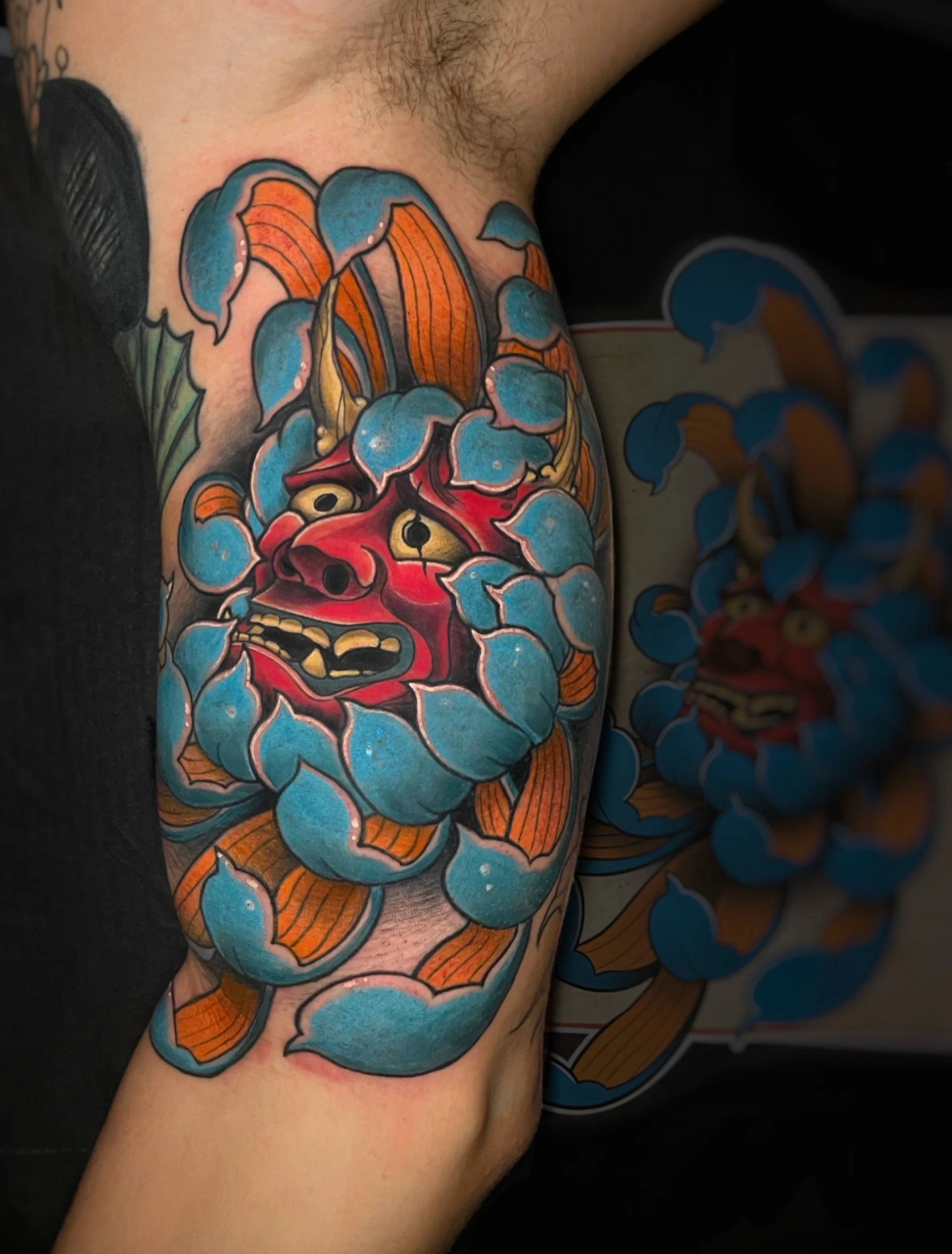
Japanese
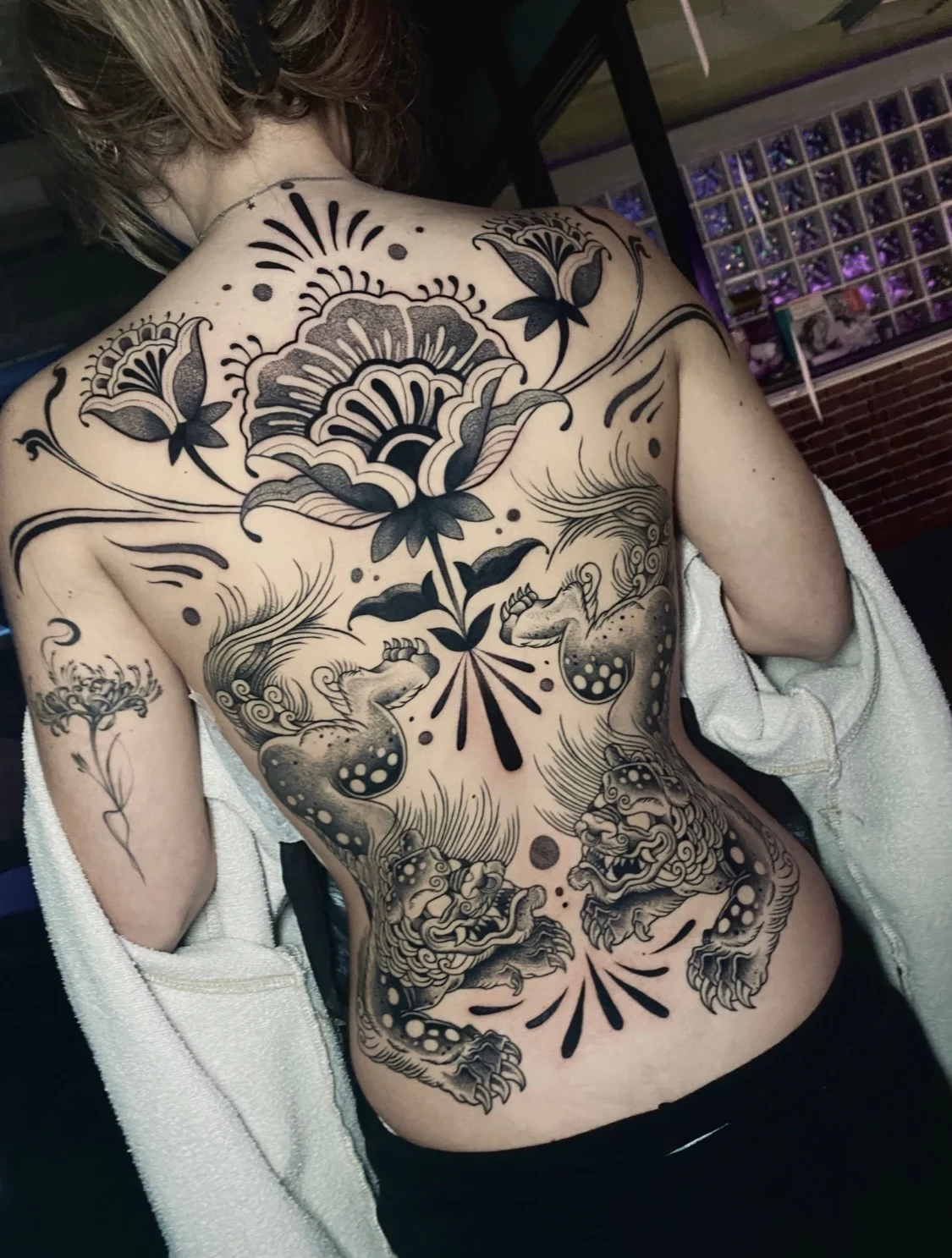
Japanese tattoo art, known as Irezumi, is one of the oldest and most recognizable forms of tattooing in the world. Its roots go back centuries in the history of Japan, while the form we recognize today began to take shape during the Edo period (1603–1868). During that time, the imagery of Japanese tattoos was strongly influenced by ukiyo-e woodblock prints and stories of folk heroes.
Japanese tattoos are known for their large, flowing compositions that often cover large areas of the body, such as the back, arms, or even the entire body. The designs are rich in symbolism and often include mythical creatures like dragons and phoenixes, traditional samurai figures, as well as elements of nature such as waves, clouds, cherry blossoms, and peonies.
Each element in a Japanese tattoo has its own meaning and is often part of a larger narrative. The composition is just as important as the subject itself, as the design is created to follow the natural flow of the body.
Today, Japanese tattooing is considered one of the most respected and technically demanding forms of tattoo art. It combines tradition, symbolism, and aesthetic harmony, creating works that resemble living murals on the skin.
New School
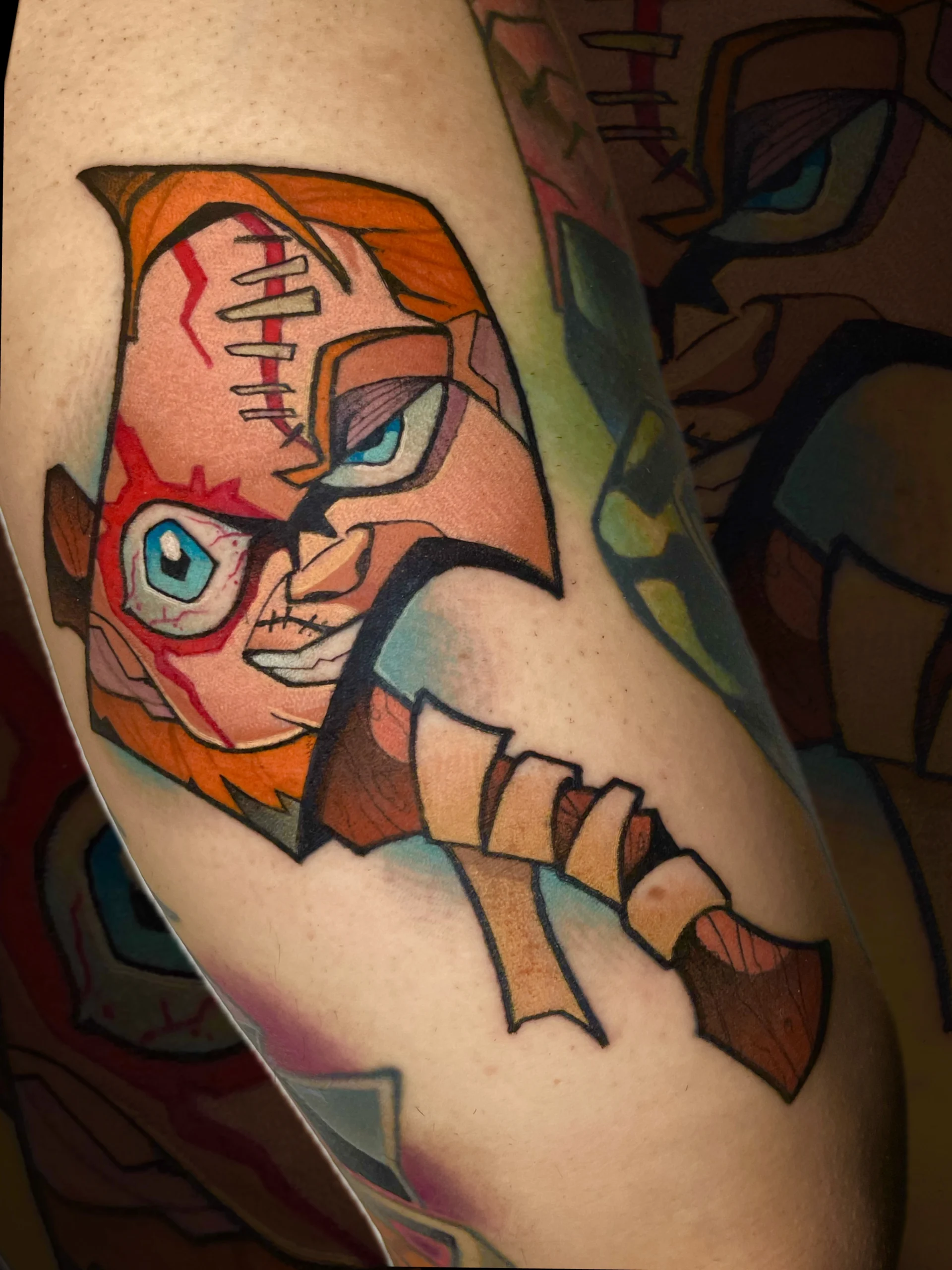
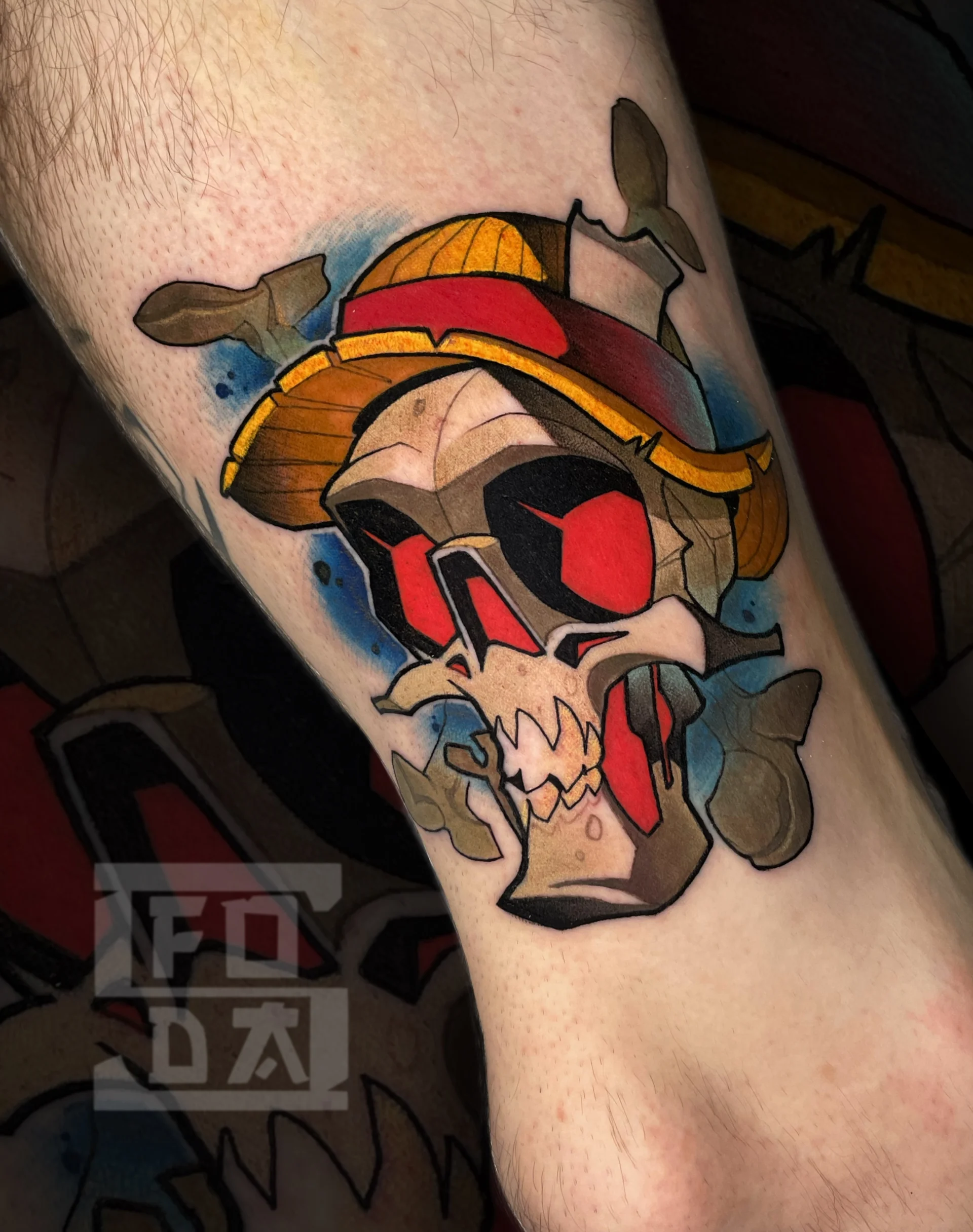
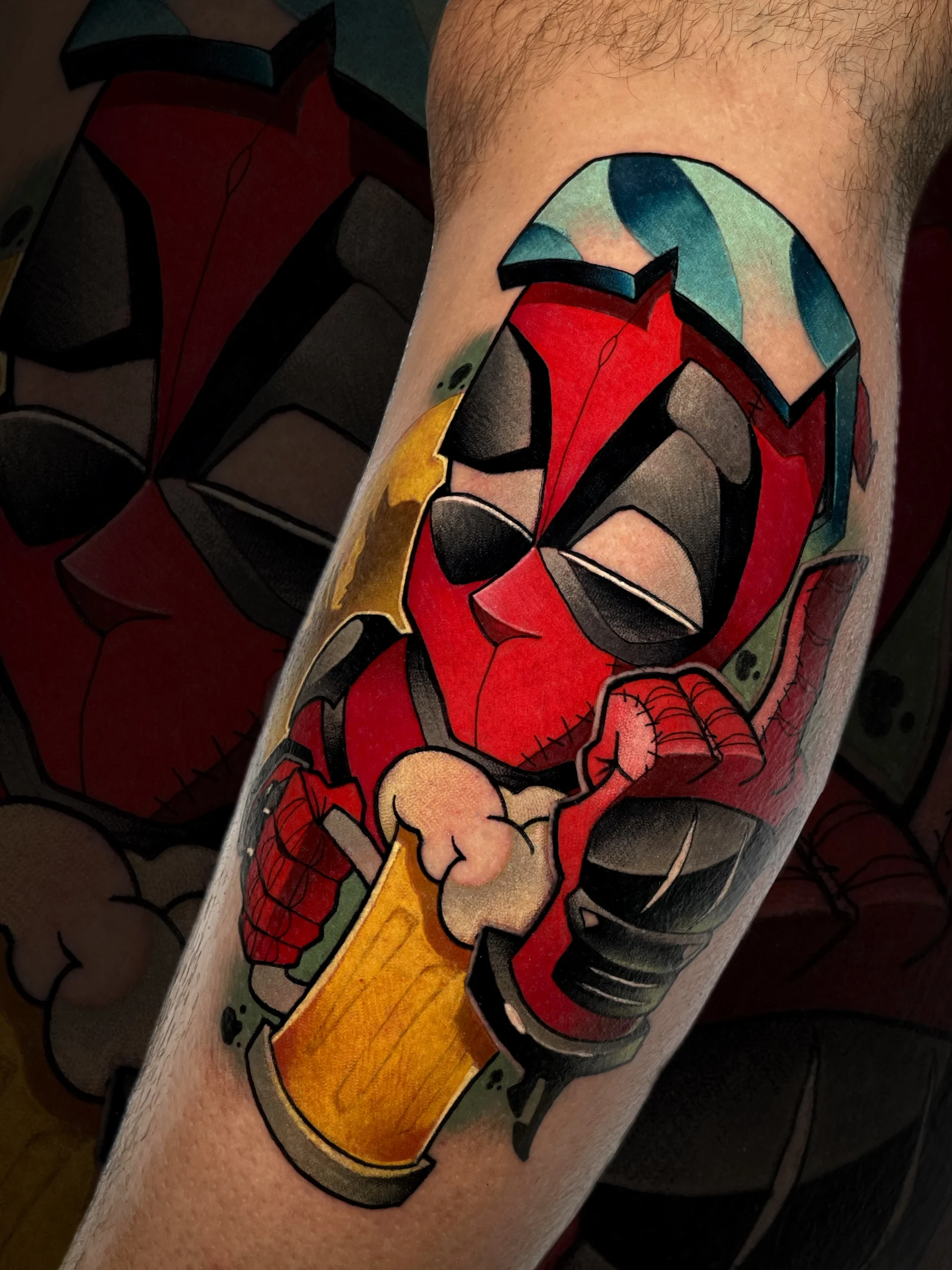
The New School tattoo is one of the most vibrant and expressive styles in modern tattoo art. It emerged in the late 1970s and developed mainly during the 1980s in the United States, strongly influenced by comic books, cartoons, street art, and pop culture.
Unlike the traditional Old School style, which relies on more limited color palettes and stricter forms, New School frees the imagination and allows for bright colors, exaggerated proportions, and dynamic designs.
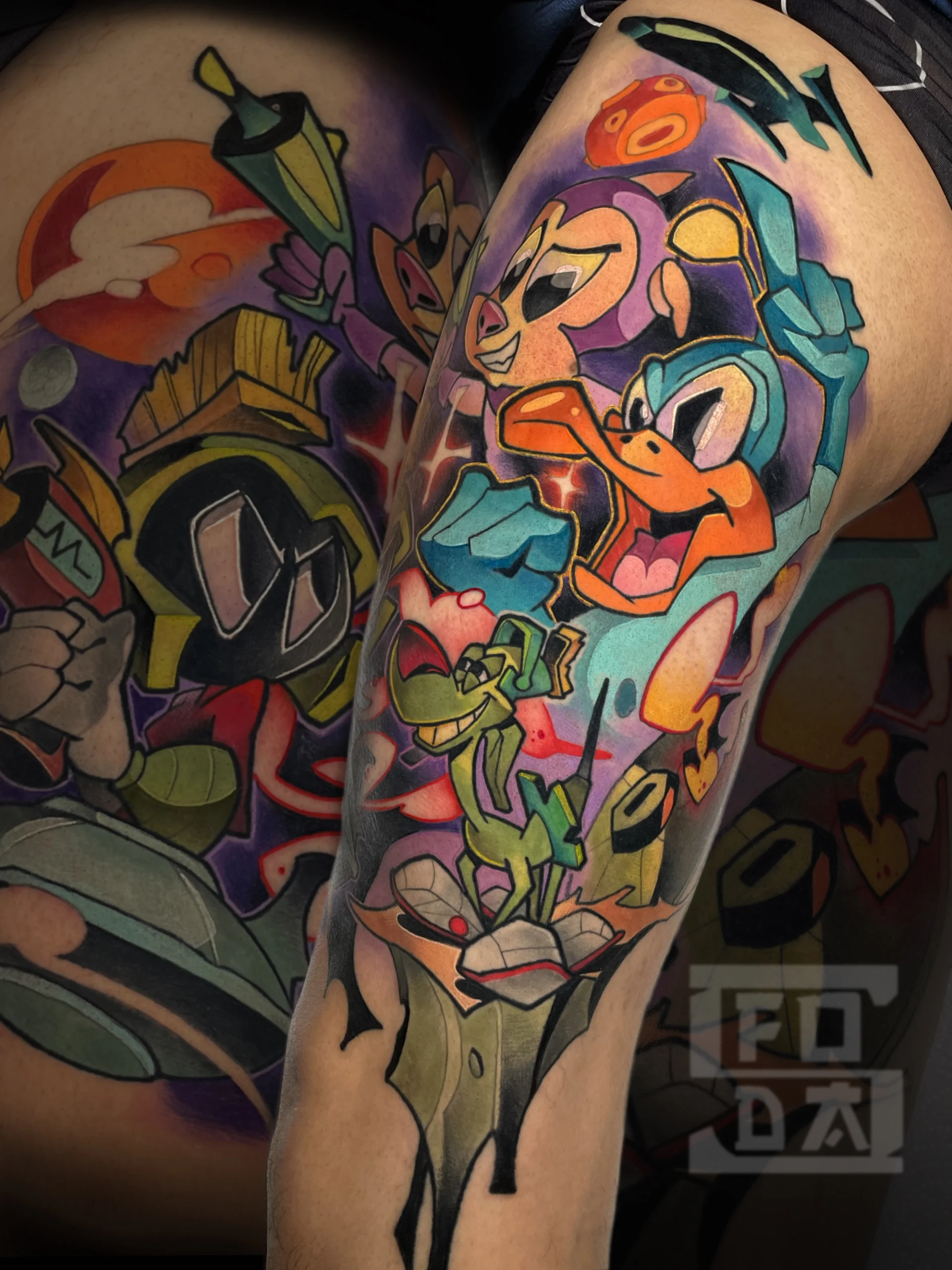
A defining characteristic of the style is the use of bold black outlines, extremely vibrant colors, and a strong sense of movement and volume. The designs often have a cartoon-like aesthetic, with distorted perspectives and playful elements that resemble graffiti or animation. The result is a tattoo full of energy and personality that immediately attracts attention.
New School tattoos are not limited to specific subjects. From fantasy characters and animals to portraits, pop culture objects, and surreal compositions, the style allows artists to create unique pieces with a strong artistic identity.
Color plays a crucial role: strong contrasts, deep shadows, and bright highlights create a three-dimensional effect that makes the design appear to come alive on the skin.
Today, New School is considered one of the most creative directions in tattoo art, combining technical precision with the freedom of modern illustration to produce bold, contemporary, and highly unique tattoos.
Minimal / Fine Line Tattoo
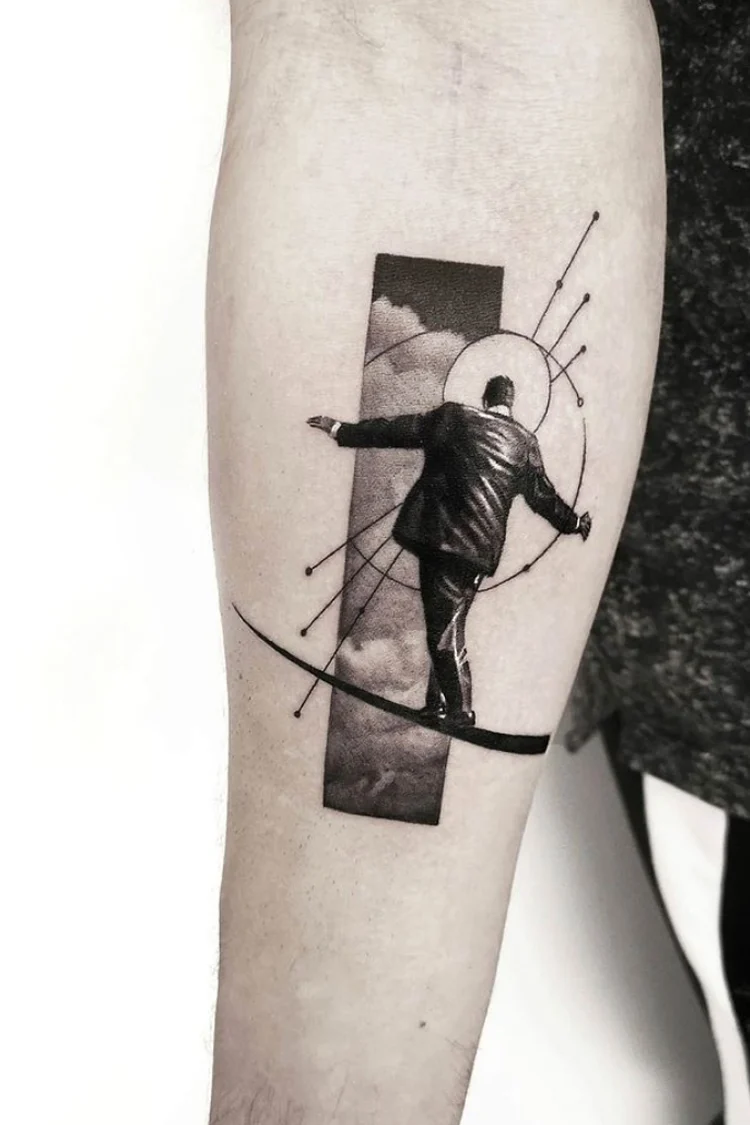
The Minimal or Fine Line tattoo style is based on simplicity, clean lines, and the aesthetic of minimalism. In recent years, it has become extremely popular, especially among people who prefer subtle and elegant tattoos.
The defining feature of this style is the use of very thin lines and the avoidance of heavy shading or strong colors. Designs often consist of simple forms, geometric elements, small symbols, or minimalist illustrations.
Although it may appear simple, fine line tattooing requires great precision and stability from the artist, as even the smallest deviation in the line can become noticeable.
The philosophy behind minimal tattoos is connected to the idea that a design does not need to be complex in order to have meaning. Often these tattoos represent small, personal symbols or discreet images that carry special significance for the person wearing them.
The result is elegant, modern, and timeless, making minimal / fine line tattoos one of the most popular choices in contemporary tattoo culture.
Māori Tattoo
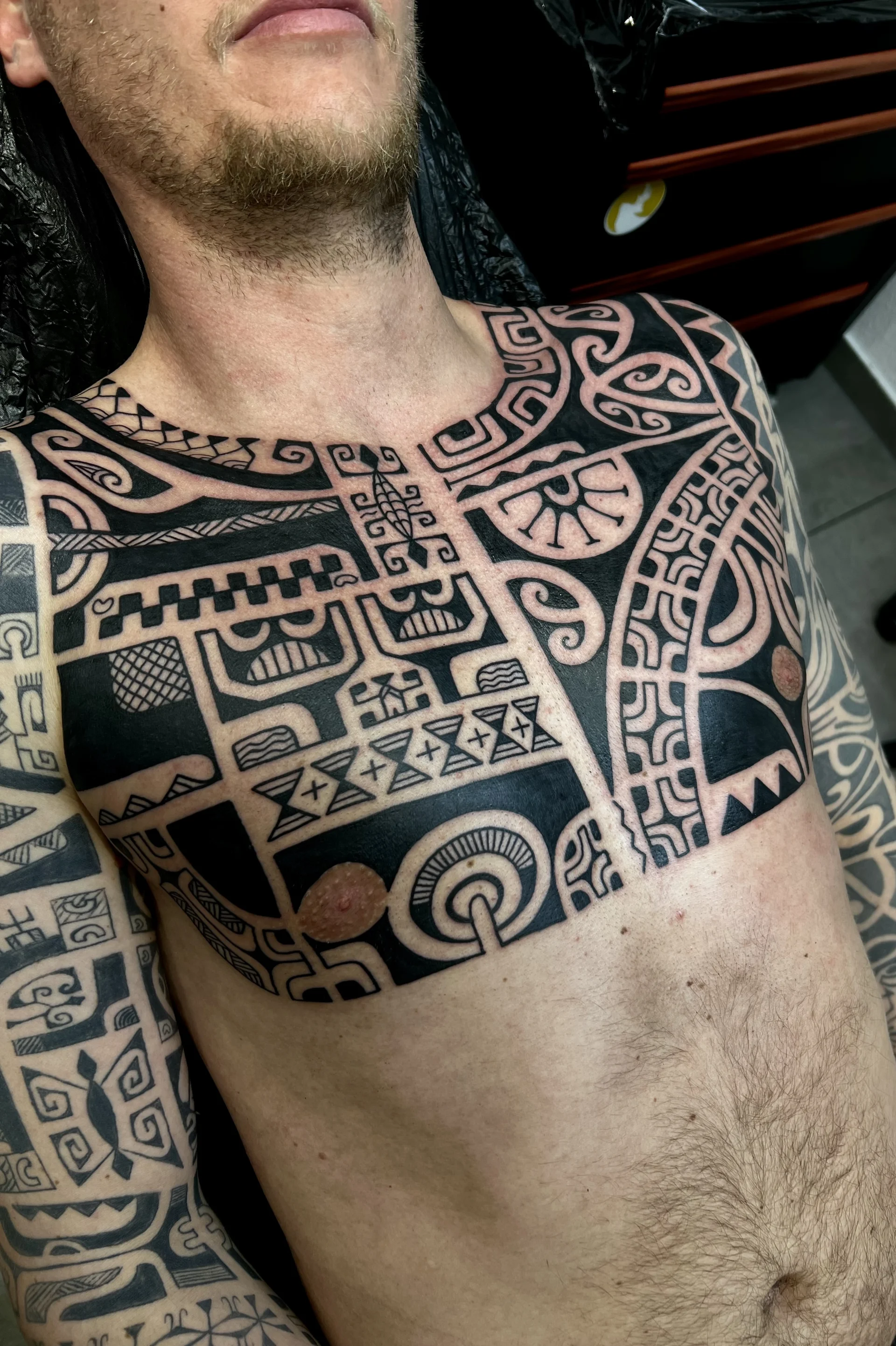
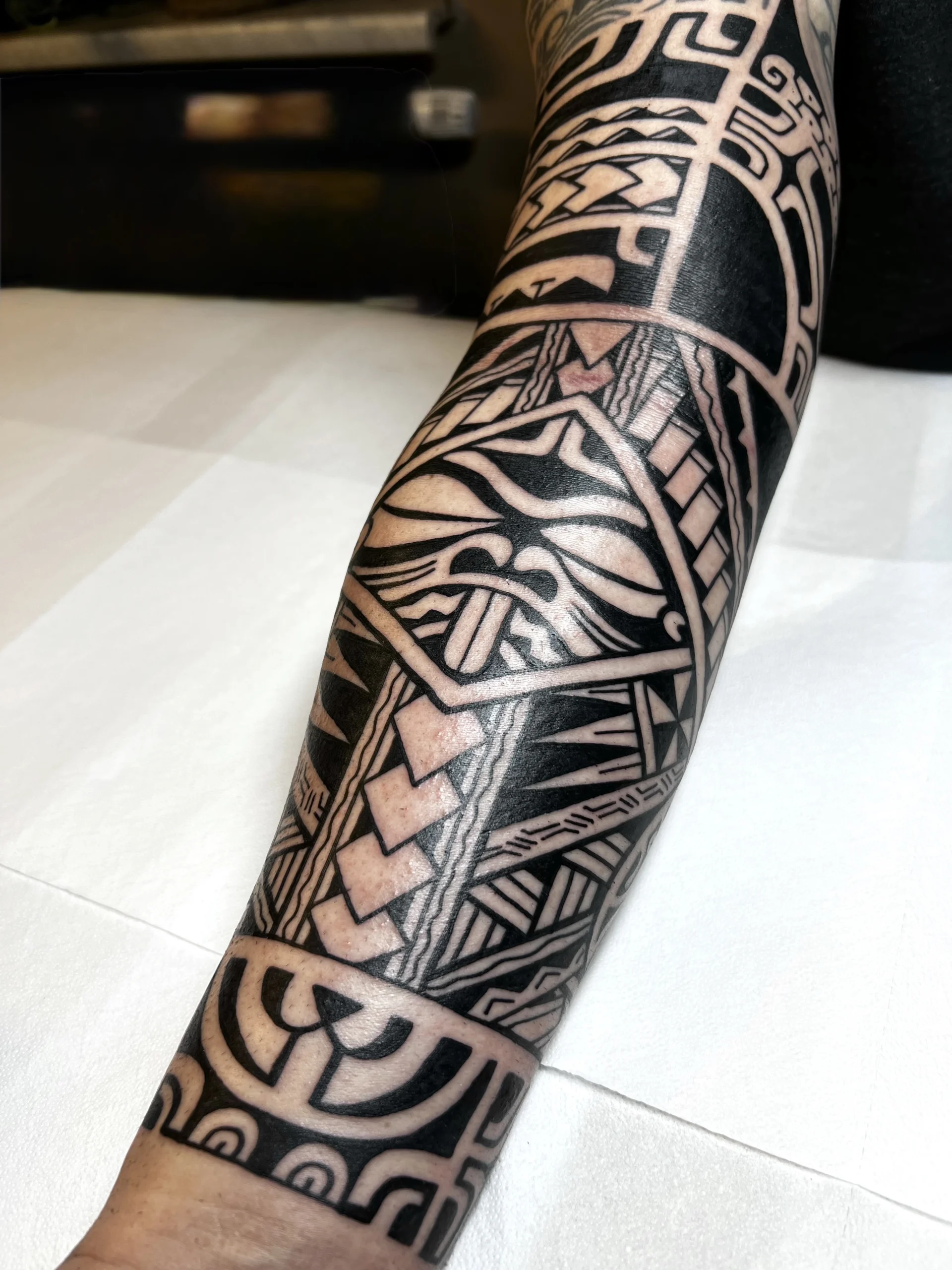
The art of Māori tattoo, known as Ta Moko, originates from the indigenous Māori people of New Zealand and represents one of the most deeply symbolic forms of tattooing in the world. For the Māori, tattooing is not merely decorative but an important part of cultural identity.
Traditionally, Ta Moko was used to express a person’s social status, ancestry, personal history, and spiritual identity. The designs consist of intricate geometric patterns, curves, and spiral shapes that create a strong sense of flow and balance.
Unlike many other tattoo styles, traditional Māori designs were created specifically for each individual and were often placed on particular parts of the body such as the face, arms, or legs, following the natural structure and form of the body.
In modern tattoo art, the Māori style has significantly influenced what are commonly known as tribal tattoos, while still maintaining its strong symbolism and distinctive aesthetic. It is a style that combines tradition, history, and a powerful cultural identity.
Old School Tattoo (Traditional)
The Old School tattoo, also known as Traditional tattoo, is one of the most classic and recognizable forms of tattoo art. It developed primarily in the United States in the early 20th century and became strongly associated with the culture of sailors and life at sea.
The defining characteristics of Old School tattoos are bold, clean black outlines, simple yet powerful designs, and a limited color palette. The main colors used are red, green, blue, yellow, and black, creating strong contrasts that allow the design to remain clear even after many years.
The most common themes of Traditional tattoos include anchors, swallows, hearts, roses, ships, mermaids, and pin-up figures. Many of these symbols had special meanings for sailors, representing luck, love, journeys, or the return home.
Old School tattooing is considered the foundation of modern tattoo culture. Despite its simplicity, its strength lies in its timelessness and its honest, straightforward aesthetic.
Neo Traditional Tattoo
Neo Traditional tattooing is a modern evolution of the classic Old School style. It retains the bold outlines and clarity of traditional tattoos while incorporating more detail, a broader color palette, and more complex compositions.
Unlike Traditional tattoos, Neo Traditional allows greater artistic freedom. The forms have more depth, shading is richer, and colors are used with a more painterly approach. The result often resembles illustration or fine art.
Subjects vary widely and may include animals, portraits, flowers, mythological figures, and decorative elements. The lines remain strong and clear, but the overall aesthetic is more refined and artistic.
Neo Traditional has become very popular in recent years because it combines the classic identity of tattooing with a more modern and creative approach.
Geometric Tattoo
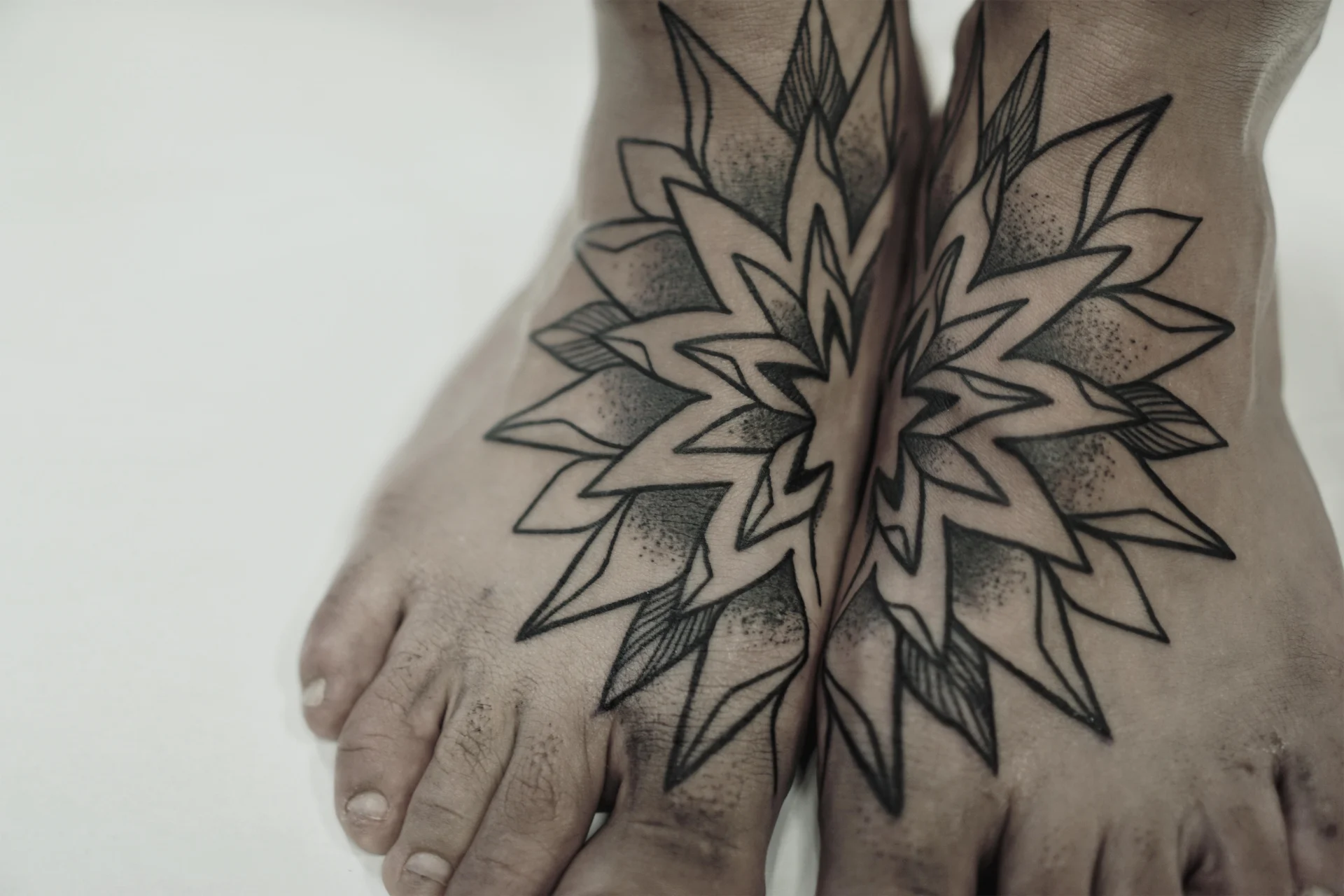
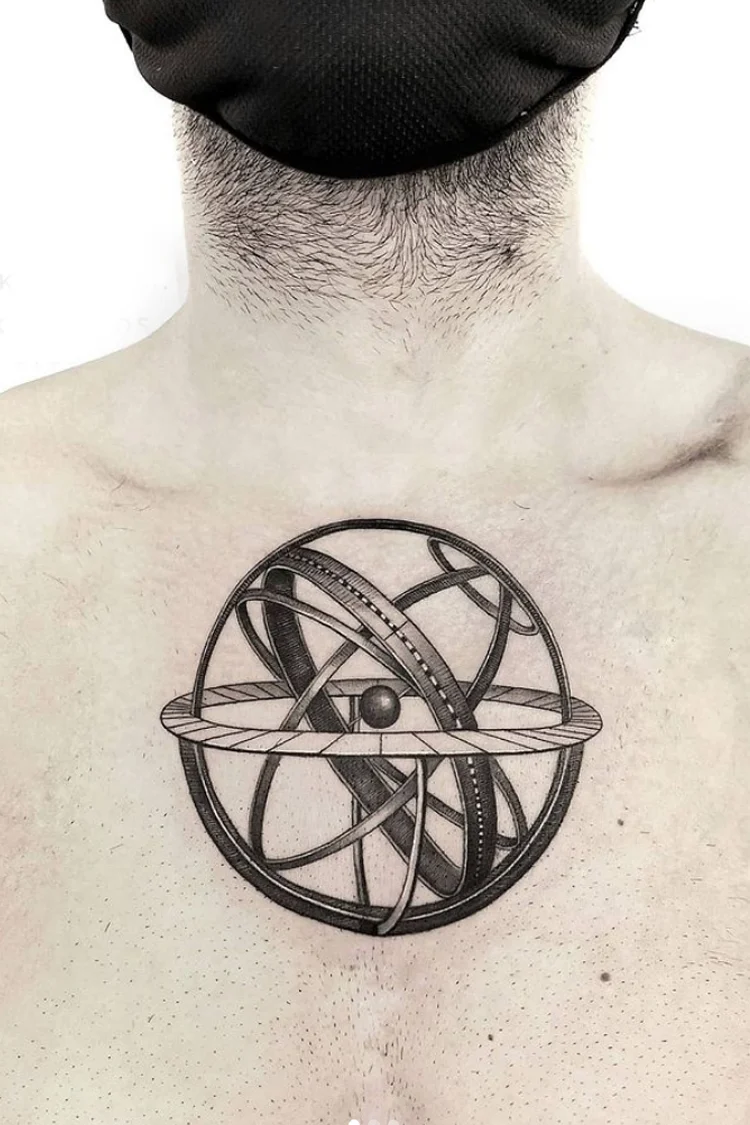
Geometric tattooing is a style based on the use of geometric shapes and symmetrical patterns to create harmonious and balanced designs. Lines, circles, triangles, and complex patterns are combined to form images with a strong sense of visual precision.
Many geometric tattoos are inspired by sacred geometry, meaning mathematical patterns that appear in nature and architecture. Through repeating shapes and symmetrical structures, designs are created that evoke balance, order, and harmony.
Geometric tattoos can range from simple and minimal to extremely complex, with large patterns covering bigger parts of the body. They are often combined with other styles, such as dotwork or blackwork, to create even more striking compositions.
Clean lines and precise execution are essential elements of this style, which is why it requires great technical skill from the artist.
Blackwork Tattoo/Dotwork
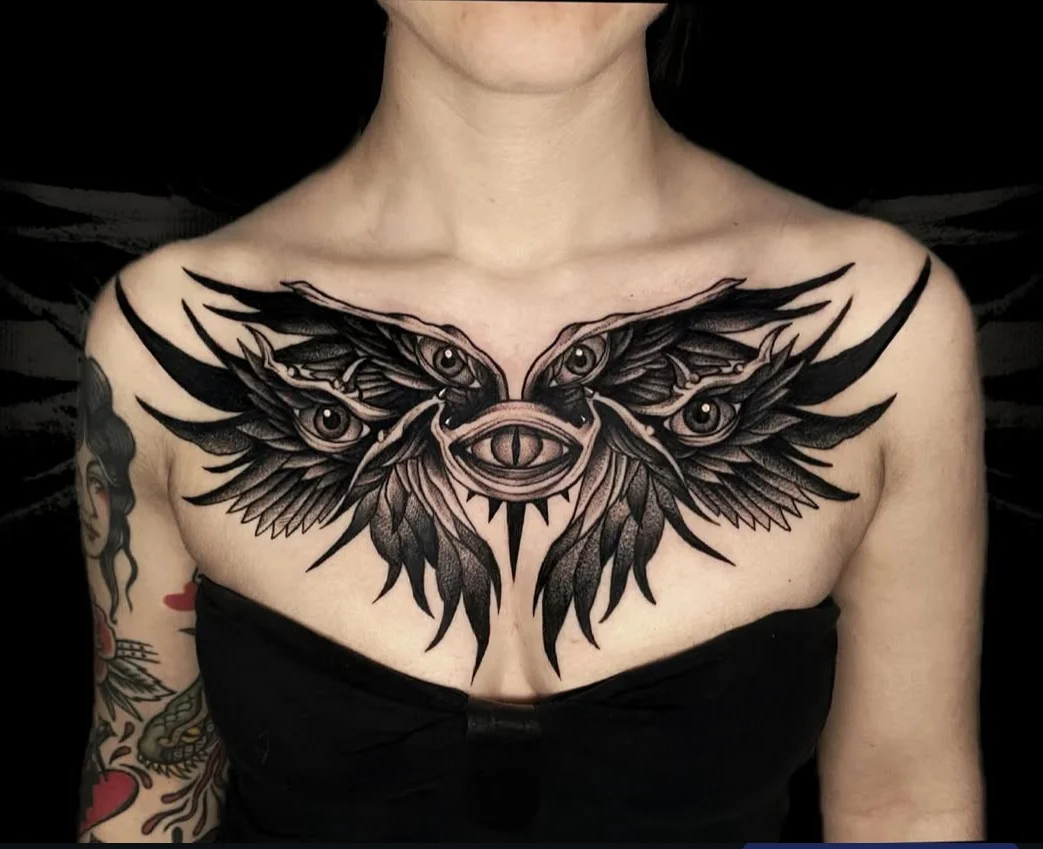
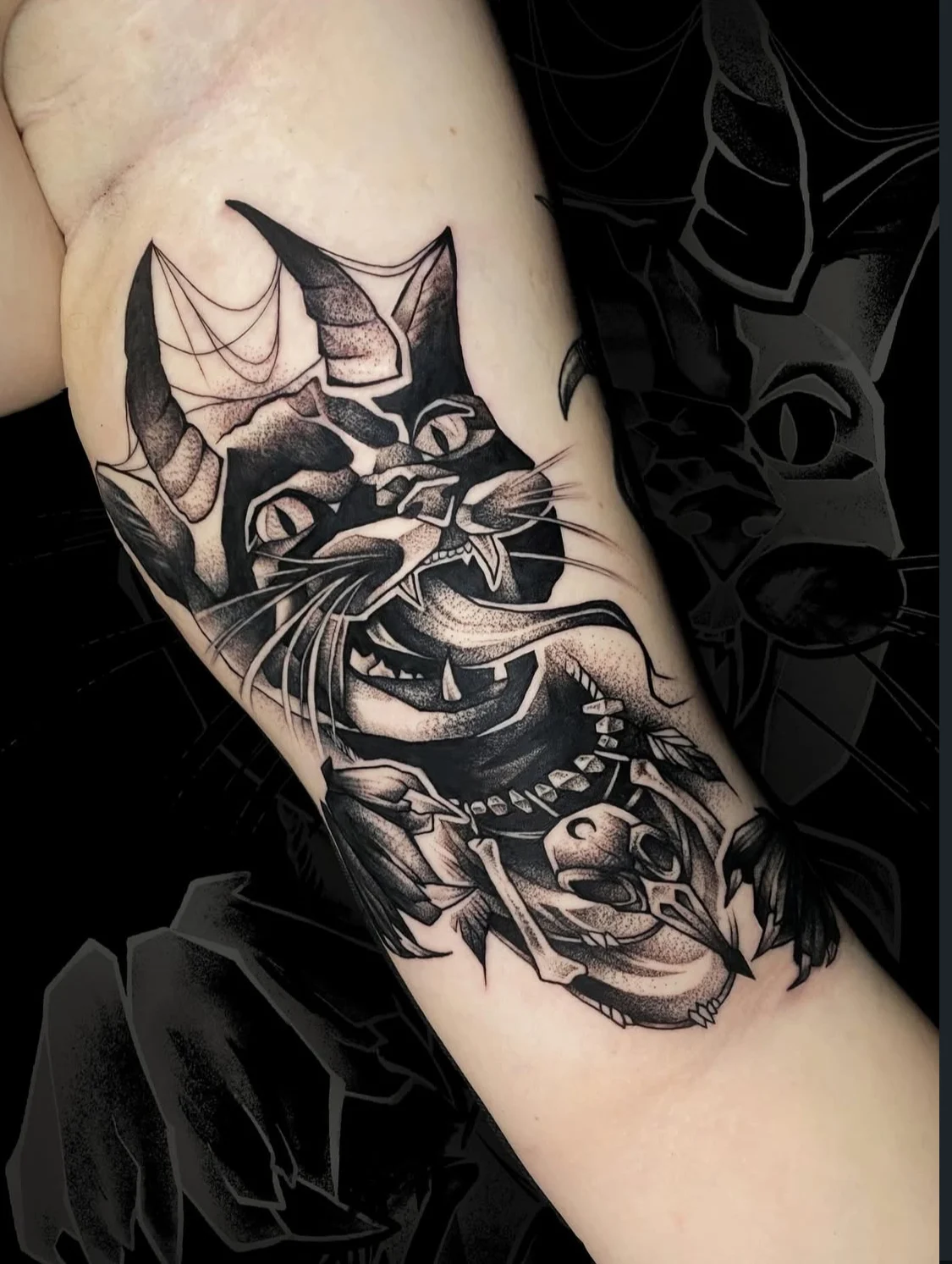
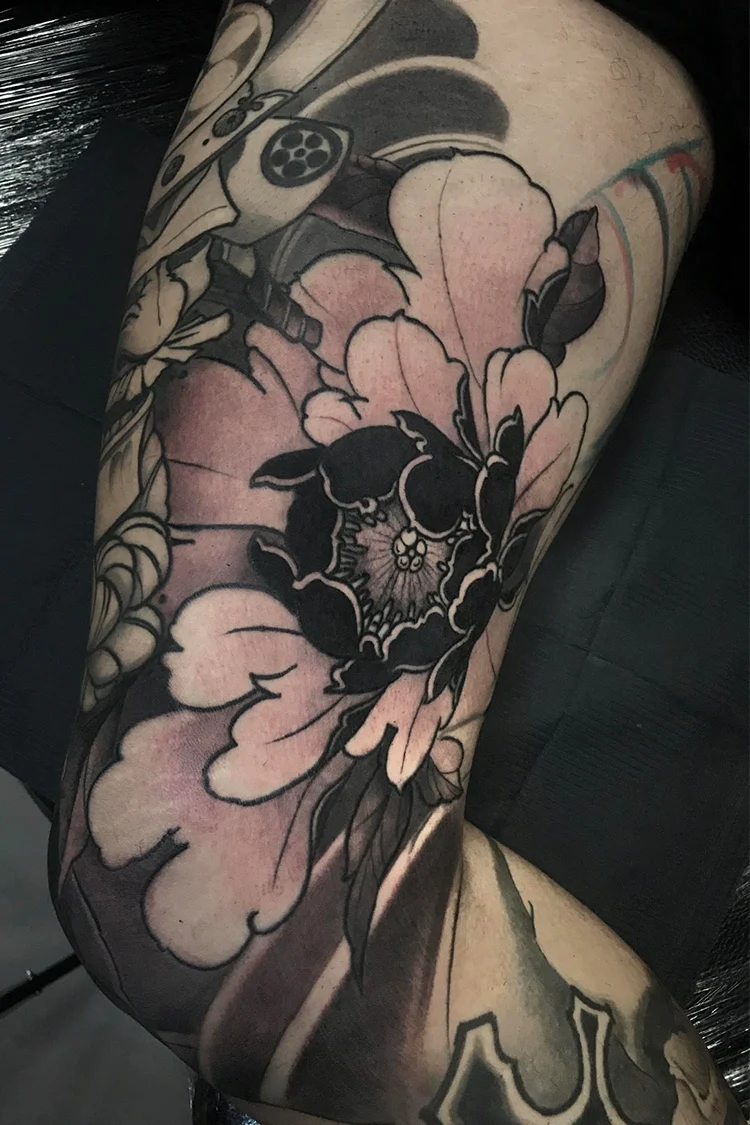
Blackwork tattoo is a style based entirely on the use of black ink. It is characterized by bold, solid areas of black, strong lines, and geometric or decorative patterns that create striking contrast on the skin.
The roots of blackwork can be traced back to ancient tattoo traditions, including tribal designs found in many cultures around the world. In modern tattoo art, however, the style has evolved significantly and now includes a wide range of artistic approaches, from minimal designs to large-scale compositions covering bigger parts of the body.
Blackwork often incorporates geometric shapes, symmetrical patterns, dotwork techniques, or abstract compositions. Its strength lies in the purity and intensity of black ink, creating a powerful and timeless visual result.
Proper execution requires precision and experience, as the balance between solid black areas and skin is crucial for the final composition.
Ornamental Tattoo
Ornamental tattoo is a style inspired by decorative patterns found in architecture, jewelry, and traditional art from various cultures.
It is characterized by symmetrical designs, flowing curves, and intricate details that create a sense of elegance and harmony. Many ornamental tattoos resemble elaborate pieces of jewelry on the skin, which is why they are often placed on areas such as the wrists, neck, sternum, or back.
The style may combine elements from different traditions, including Eastern motifs, geometric patterns, or floral designs. Symmetry and balanced composition are essential elements of ornamental tattooing.
The result is a refined and timeless tattoo that enhances the natural flow of the body.
Cybersigilism Tattoo
Cybersigilism tattoo is a contemporary and highly recognizable style that blends tribal aesthetics with futuristic and digital influences.
It is defined by sharp lines, symmetrical patterns, and dynamic forms that resemble digital symbols or futuristic sigils. The designs often carry a dark, mysterious, and almost technological aesthetic.
This style has emerged in recent years through the influence of internet culture, cyber aesthetics, and modern digital art.
Cybersigilism tattoos are typically executed in black ink, with clean lines and strong contrasts, creating designs that look almost like encrypted symbols carved into the skin.
Lettering Tattoo
Lettering tattoo focuses on the art of typography and written expression. In this style, words, letters, or phrases become the central element of the design.
Lettering tattoos can be created in a wide variety of styles, from classic calligraphic scripts to modern minimal fonts or even graffiti-inspired lettering.
They are often chosen for phrases with personal meaning, names, important dates, or quotes that hold special significance for the person wearing them.
Balance between the letters, the flow of the typography, and proper placement on the body are essential elements for a successful lettering tattoo.
Cover Up Tattoo
Cover up tattoos are a specialized category of tattooing designed to conceal or transform an existing tattoo. Many people choose a cover up when an older tattoo no longer represents them, when the design has faded over time, or when they simply want to give a new artistic direction to that part of their body.
Unlike a tattoo created on untouched skin, a cover up requires significant experience and careful planning. The artist must consider the existing design, the color, the saturation of the ink, and the size of the original tattoo in order to create a new design that successfully incorporates or hides it.
Cover up tattoos often involve stronger shading, bold lines, or larger compositions in order to effectively mask the previous tattoo. Choosing the right style and composition is essential for achieving a successful result.
Check the beautiful work of our artists in the Gallery or on Instagram and Facebook
See our projects